




Droopy eyelids are one of the significant signs that occur as a result of the passage of time and aging. However, in addition to aging, this condition can also be caused by genetic factors. Fortunately, individuals who have lost their self-confidence due to this issue can now use various methods to treat it. One of the most effective and safe methods is cosmetic eyelid blepharoplasty. Eyelid blepharoplasty, also known as the treatment for droopy eyelids, is performed by specialized physicians in beauty clinics without pain or bleeding. Its non-invasive nature eliminates the need for anesthesia, allowing patients to resume their daily activities the day after the treatment session.
It goes without saying that due to the outpatient nature of blepharoplasty, necessary care before and after the procedure should not be overlooked. Furthermore, it should be noted that the treatment of droopy eyelids must be performed in a reputable clinic by an experienced and specialized physician. If you also have complaints about your droopy eyelids and are considering a solution for their treatment, you can contact our consultants at Helia Beauty Clinic right now and restore beauty and youthfulness to your face with the use of the latest relevant equipment and the presence of Dr. Khorasani. Additionally, this article discusses in detail the causes of droopy eyelids and examines and introduces blepharoplasty for eyelid surgery.
To inquire about the cost of blepharoplasty, you can contact the specialized skin and hair clinic consultants at +971561004050 free of charge. Additionally, you can share all your questions regarding blepharoplasty and other beauty services with us through the WhatsApp messaging app at 971561004050
What is blepharoplasty and what is its application?
Blepharoplasty is a cosmetic procedure that corrects droopy eyelids. Droopy eyelids can occur for various reasons:
- Some individuals experience droopy eyelids due to diseases such as kidney dysfunction, protein deficiency, and myasthenia gravis.
- Others may be genetically predisposed to develop droopy eyelids at a faster rate.
- Muscular diseases can also lead to this condition.
- Furthermore, people with neurological disorders may experience muscle control problems and may also experience droopy eyelids.
- Eyelid infections or eye trauma can also be definite triggers for this condition.
- With increasing age, the skin becomes lax, and droopy eyelids can occur.
- However, there is no need to worry because blepharoplasty is suitable for treating all of these problems.
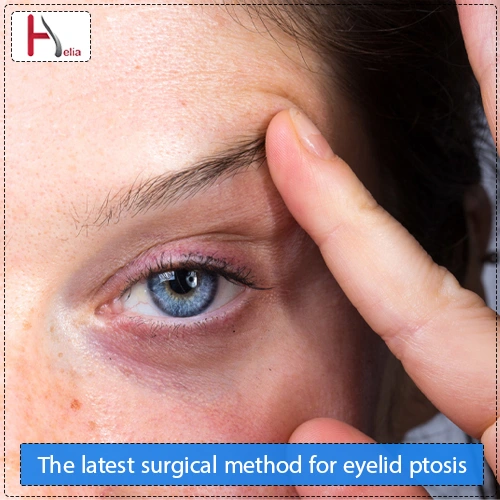
The latest surgical method for eyelid ptosis
In recent years, several methods have been introduced to eliminate ptosis and wrinkles around the eyes. The use of Botox is one of the common and non-invasive methods to address this condition. Additionally, this therapeutic method is used complementarily with other treatment approaches. Some of the available treatment and surgical methods in the Emirates, when visiting reputable clinics, can provide desirable treatment outcomes to applicants. The effective treatment and surgical methods for eyelid ptosis, according to Helia Clinic, include:
- Blepharoplasty: Currently, it is possible to perform this procedure non-invasively, and it is among the latest surgical methods.
- Ptosis correction: This method is mostly used to eliminate upper eyelid ptosis. It can also address the reduction of visual areas caused by certain skin conditions. Moreover, individuals with congenital eyelid ptosis, weak eyelid muscles, stroke, and trauma are suitable candidates for this treatment approach.
Why is blepharoplasty performed?
For various reasons, the appearance of your eyelids may change. Sometimes, these changes begin from the early years of life, but in most cases, aging is a significant factor in eyelid ptosis. Any disruption in the upper eyelid muscles can lead to eyelid ptosis. Additionally, fatty deposits can form around the eyelids, resulting in undesirable cosmetic conditions. The beauty of the eyes contributes significantly to a person’s overall appearance, and most people cannot remain indifferent to this matter.
Blepharoplasty, also known as eyelid correction or the removal of excess eyelid skin, muscles, and fat in these areas, restores the eyelids to their standard state. Eyelid ptosis indicates that your age appears older than it is and accelerates the signs of aging. It can also reduce peripheral vision, especially in the upper and lateral parts of the eye.
Blepharoplasty is not merely a cosmetic procedure for eyelids but sometimes also has therapeutic properties. This process helps the eyes return to their desired state, resulting in an improved visual field for the individual. It can also resolve the issue of incomplete eye-opening and alleviate people’s concerns. However, it is essential to remember that this surgery primarily focuses on the eyelids and does not have any impact on internal eye problems or the cosmetic appearance of the lower eye area. Therefore, eyelid correction surgery is suitable for treating issues related to eyelid ptosis caused by disease or aging.
In this procedure, the upper or lower part of the eyelid undergoes surgery, and excess tissues are removed. As a result, the eyes will appear eight to ten years younger. Fine sutures are placed in this area, and their effects are not visible after the procedure. Although this surgery is performed in the area around the eyes, it is easily feasible, and the individual can have the sutures removed within one to ten days and return to their normal life.
If this process is performed under standard conditions and the supervision of a reputable and experienced physician, it will not have much risk. The precise and proper execution of eyelid surgery, along with adherence to post-operative care recommendations by the physician, affects the longevity and outcome of the eyelid surgery. Eyelid surgery rejuvenates beauty in the face, gives an ideal appearance to the eyes, and removes all obstacles from the person’s vision. However, it is important to approach this procedure with reasonable and logical expectations.
Keep in mind that blepharoplasty primarily aims to remove a flaw from your face and the elimination of this flaw signifies the success of the process. This procedure can also be performed on children who have congenital eyelid drooping or ptosis.
The applications of non-incisional blepharoplasty
The applications of non-incisional blepharoplasty can be highly effective and beneficial for the following cases:
- Correcting eyelid drooping helps improve vision and enhance facial aesthetics.
- Treating puffiness and swelling of the eyelids and under the eyes.
- Removing fat deposits on the eyelids.
- Eliminating excess skin on the eyelids.
Signs of eyelid drooping and the treatment with blepharoplasty
Eyelid drooping, which is congenital, occurs due to the underdevelopment of the eyelid nerves. Parents may not notice this condition early on, but they will eventually realize that the condition of their child’s eyelids is not entirely normal and desirable. It is also possible for this condition to occur in anyone due to injuries, trauma, or even seizures. However, rushing into a sensitive surgery like non-incisional blepharoplasty should be avoided. This procedure must be performed at an appropriate and standard time to achieve the most desirable results.
There are various signs indicating ptosis or eyelid drooping:
- Eyelid drooping may be visible, and you can identify it by comparing both eyes. Sometimes, drooping occurs to the same extent in both eyes, making it difficult to diagnose the problem with normal vision.
- Children with this condition exhibit unusual movements. For example, they may raise their heads excessively or raise their eyebrows to see an image at a higher position to view all parts of a scene.
- In adulthood, individuals also feel heaviness in their eyes, which can be tiring at times. This heaviness tends to increase with age.
- Additionally, the person’s vision decreases in the upper areas inclined towards the drooping eyelid. Therefore, it is essential to seek treatment and undergo blepharoplasty as soon as possible.
Eyelid drooping not only creates an unpleasant appearance for your eyes but also affects vision over time. Individuals realize the condition they have endured in their eyelids for a long time after undergoing eyelid surgery. Blepharoplasty is an innovative procedure and an effective solution for correcting eyelid drooping, typically leading individuals to their desired results.

What are the benefits of blepharoplasty?
As we discussed the issues of droopy eyelids, we can speculate on the benefits of blepharoplasty. Typically, individuals who seek surgery are primarily interested in its cosmetic aspects.
They are well aware that this condition has affected their aesthetic appearance and diminished a part of their facial attractiveness. As a result, these individuals opt for blepharoplasty to have a younger and more desirable appearance.
- This surgery is not troublesome and does not require much of your time. You can observe noticeable changes resulting from it in a short period.
- Fat bags and droopy eyelids give an inappropriate look to the face, and correcting them can make someone appear younger for several years. Therefore, many people use it as a cosmetic procedure.
- An individual’s self-confidence is heavily dependent on their beauty and the absence of facial issues. Changes in the eye area can lead to unfavorable judgments by others. Some may assume that individuals with droopy eyelids suffer from illness or fatigue. Therefore, performing blepharoplasty not only boosts an individual’s self-confidence but also helps their face avoid negative judgments from others.
- Blepharoplasty expands the field of vision to a significant extent. An individual may not realize the limited extent of their vision due to being accustomed to that state. However, after the surgery, they can observe the differences and notice the changes in their vision before and after the procedure.
- Increased fat volume and eyelid drooping create various problems on the eye globe. Surgery and removal of excess tissues reduce eye pressure and prevent the formation of pterygium, pressure on the retina, and visual impairment.
- By performing eyelid correction surgery, the skin around the eyes significantly improves. Removing excess skin around the eyes and consequently tightening the facial skin in the eye area also helps improve the condition of the muscles around the eyes.
Non-incisional blepharoplasty plays a crucial role in rejuvenating an individual’s appearance and makes them appear younger than their actual age. The eyes are usually one of the first areas of the body that show signs of aging, and blepharoplasty will have a remarkable effect on the appearance of the eyes.
Who needs non-incisional blepharoplasty?
In most cases, individuals with ptosis disease must undergo eyelid surgery to prevent potential damage to their vision. However, the following individuals can easily address their beauty concerns through blepharoplasty:
- Those who have loose or sagging skin in the upper and lower eyelid area, cause wrinkles to form on the eyelids and disrupt their beauty.
- The presence of fat bags under the eyes or upper eyelids gives a puffy appearance to the eyes.
- Individuals whose eyelids have lost the necessary flexibility and are in an undesirable position.
- Individuals who have experienced vision problems due to droopy eyelids and their visual conditions no longer appear as they did in the past.
Eyelid surgery typically becomes more significant with advancing age, and most individuals who undergo this procedure are usually in their fourth decade of life. However, it should be noted that there are essential conditions for performing blepharoplasty, including:
- Having overall good health.
- Not smoking or using tobacco products.
- Not having cardiovascular diseases.
- Not having chronic blood, skin, or allergic conditions.
Botox After Blepharoplasty
One of the concerns and ambiguities after blepharoplasty is the possibility of using Botox in the area. Individuals want to know how long they should wait for Botox after blepharoplasty. In response to the question raised, we first need to understand the definitions of blepharoplasty and Botox correctly.
Blepharoplasty, also known as eyelid surgery, is a type of invasive surgical procedure. In this method, excess eyelid skin is precisely removed, and underlying structures are tightened.
On the other hand, Botox is known as a neurotoxin that reduces muscle movements. This therapeutic method reduces wrinkles and lines caused by repetitive facial movements.
Both Botox and blepharoplasty are used as complementary methods to address signs of aging around the eyes, making them an ideal combination for reducing lines and wrinkles in the mentioned area.
Based on available data, there is no need to wait for Botox after blepharoplasty, and there is no interference between the two procedures.
Difference between Upper and Lower Eyelid Blepharoplasty
Eyelid surgery can be performed on both the upper and lower eyelids. However, there are differences between these two surgeries that we will explore.
The incision line in the upper eyelid is adjusted in a way that it is not visible when the eye is open and is concealed within the eyelid crease. A small incision is made in this area, and excess skin and fat are removed. This incision line completely resolves after a few months of surgery. On the other hand, there are several methods to remove fat in the lower eyelid.
In the inner eyelid and between the eyelid and eye, a small incision can be made, and fats can be extracted from this area. This method needs to be performed very skillfully to avoid any damage to the eye. Other methods, such as incision in the conjunctiva, external corner tendon, and incision between the cheek and eyelid, are also used to reduce fat and excess skin. The surgeon decides which method is suitable for each individual based on their medical conditions and potential health issues related to the skin and eyes. Eyes are very sensitive organs, and therefore, the choice of each method will have a significant impact on them. To achieve the best results, the best point of the eye for this surgery needs to be considered.
Blepharoplasty is a simple procedure performed on the upper and lower eyelids. However, due to the proximity of this area to the eye, it is also sensitive and should be done by a specialized physician. This procedure has both aesthetic and therapeutic aspects and is used for various conditions such as droopy eyelids or excessive fat.
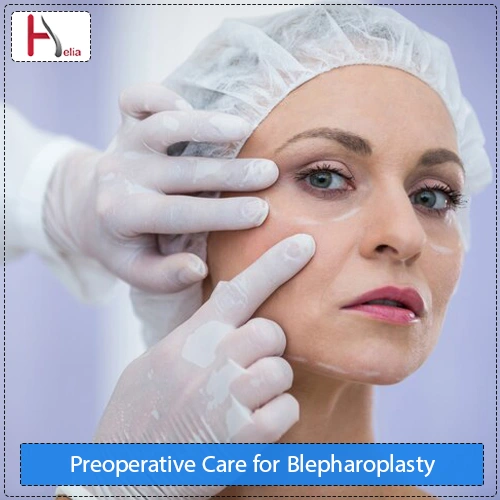
Preoperative Care for Blepharoplasty
To ensure a successful eyelid repair procedure, certain precautions should be taken before and after the surgery:
- Before the surgery, you should have a consultation session with your doctor to discuss any specific conditions or medications you may have. Necessary arrangements will be made for you, and instructions on medication use will be provided. This consultation session is crucial for the success of blepharoplasty. During the consultation, the individual expresses their desires and expectations from the procedure to the doctor, who fully explains the procedure’s conditions.
- The doctor examines the person, performs necessary tests, takes initial samples from the eye, and assesses the individual’s suitability for the procedure. Additionally, in the initial consultation sessions, eye imaging will be conducted to determine the final changes after blepharoplasty.
- The doctor also considers specific medication instructions for you. For example, non-steroidal anti-inflammatory drugs (NSAIDs) and warfarin should not be used before the surgery. These medications can thin the blood and potentially cause complications during the blepharoplasty procedure, leading to side effects on the person’s face. Therefore, it is not recommended to use these medications at least two weeks before the surgery.
- The use of any medication during this period should be done with the consultation of a specialized blepharoplasty physician.
- On the morning of the surgery, you should not consume any food or drink.
- Also, there should be no makeup on the face.
- In the days leading up to the removal of excess eyelid skin with blepharoplasty, you should avoid smoking and alcohol consumption. Alcohol thins your blood and exacerbates the side effects associated with this process while smoking significantly slows down your recovery.
- In the two weeks leading up to the surgery, you should protect yourself from direct sunlight radiation. You can use wide-brimmed hats, sunglasses, and standard sunscreen creams for this purpose. Continuous sunlight exposure can damage your skin and make the procedure more challenging.
- On the day of the surgery, you should have a companion who will stay with you for at least the first 8 hours after the operation.
- During the blepharoplasty procedure, it is essential to wear comfortable and button-up clothing to avoid any difficulties during dressing changes.
- You should not wear jewelry during the procedure.
Postoperative Care after Blepharoplasty
- After undergoing eyelid correction and wrinkle removal with blepharoplasty, it is crucial to take precautions to prevent infections in the surgical area that could pose significant risks, such as entering the eye. You should regularly use the prescribed antibiotic medication that your doctor has prescribed for you. Topical antibiotics will also be prescribed, which should be applied to your eyelid for the first few days.
- If you experience pain or notice swelling in the surgical area, you can use cold compresses to reduce pain and alleviate swelling. However, when using these compresses, no pressure should be applied to the surgical area as it can have adverse effects. You can also use acetaminophen to alleviate pain.
- For at least a few days, when sleeping or resting, it is recommended to sleep on your back and elevate your head higher than other parts of your body using an extra pillow. This helps minimize skin swelling resulting from eyelid surgery.
- After this procedure, you should rest for 2 days and avoid excessive activity to help reduce swelling, bruising, and pain more quickly.
- However, for one to two weeks after the surgery, refrain from engaging in heavy tasks. Intense physical activities or sports can potentially harm the stitches and may lead to bleeding in the eyelid surgical area.
- The stitches will be removed approximately one week later.
- During this period, it is essential to strictly follow the medications prescribed by the specialized blepharoplasty physician. Self-medication after the operation can have adverse consequences for you.
- Do not expose yourself to direct sunlight or engage in activities that generate excessive heat on your body, such as tanning beds or any other activity that exposes you to excessive heat, for at least two weeks after undergoing ptosis eyelid surgery. To prevent direct sunlight from reaching your eyes, you can also use standard tinted glasses. However, be cautious that these glasses do not apply any pressure to your eyelids.
- Eye washing after blepharoplasty should be extremely gentle and calm. Excessive water flow and vigorous massaging can potentially impact the results of the procedure and cause significant damage to your eyelids. Therefore, you should perform all necessary washing activities in a state of complete relaxation and calmness.
How is ptosis eyelid surgery performed?
Blepharoplasty should be performed in a reputable clinic under the supervision of a specialized physician. This ensures a low risk and prevents any major issues for the individual. Blepharoplasty is an outpatient procedure that does not require a significant amount of time. The precise steps of the surgery depend on the initial condition of the individual’s eyes. If both upper and lower eyelids are being operated on, the physician usually prioritizes the upper eyelid. Removing excess fat and excising redundant skin, if necessary, are the subsequent stages of the procedure. After undergoing blepharoplasty, the individual is discharged from the clinic fairly quickly and prepared for their normal daily activities.
Results of blepharoplasty
Eyelid correction surgery does not require multiple sessions, and undergoing this treatment once is sufficient for the individual. The results of this procedure become apparent very quickly. Ptosis eyelid surgery yields highly desirable outcomes for different individuals. It is a low-risk procedure that brings about significant changes to one’s facial appearance in a short period. Eyelid correction surgery is a completely safe and effective method for various individuals.
Difference between blepharoplasty and other methods for eyelid rejuvenation
You may have heard of various methods for treating droopy eyelids. The most common non-surgical methods include the use of wrinkle creams. These products work by firming the skin in the area and stimulating collagen production to reduce wrinkles. As a result, the treatment of eyelid ptosis is minimally addressed. Another method is plasma therapy, which has been recently employed. In this method, the eyelid is treated with laser devices in multiple sessions to reduce eyelid fat cells.
These methods are all time-consuming and their effects will never be as significant as blepharoplasty. Wrinkle creams only provide results as long as you continue using them. Plasma therapy is also used for mild eyelid ptosis and is ineffective in addressing fat bags around the eyes. These methods need to be repeated continuously to have a slight effect. On the other hand, correcting eyelid wrinkles and creases with blepharoplasty can address all the issues in just one session, making it less time-consuming and significantly more cost-effective than the mentioned methods.
Postoperative Care for Eyelid Surgery
As mentioned, after blepharoplasty, certain considerations should be taken into account to ensure a successful recovery. During the postoperative period, following eyelid correction surgery, keep the following points in mind:
- On the first day after surgery, apply an ice compress to the surgical area for 10-15 minutes every hour. However, if this is done only during waking hours, it is sufficient.
- On the following day, continue applying the ice compress every few hours.
- From the third day onwards, you can switch to warm compresses to help reduce skin-related side effects such as bruising.
Cost of Blepharoplasty and Influencing Factors
Usually, during the preoperative consultation sessions, an approximate cost is provided to the individual; however, during the procedure, certain medications or services may be provided that can slightly alter the cost. The cost of the surgery varies depending on the physician performing the procedure, as different doctors may have different fees. Clinic services, the skill of the physician, and other factors also influence the costs, so different clinics have their specific prices for blepharoplasty. It is important to note that you should not undergo this procedure in a clinic that is excessively cheap or expensive.
Excessively cheap clinics usually assign the surgery to individuals without specialized credentials instead of a qualified physician, which can have worrisome consequences for you. Highly expensive clinics often try to establish credibility by raising their prices. Other factors that can influence the cost of eyelid surgery include:
- Prescription medications received during or after the procedure
- Anesthesia fees
- Surgeon’s fees
- Hospital and clinic fees
- Medical tests
- Lower or upper eyelid surgery
- The technique used for the surgery
- The cause of eyelid ptosis and its severity
Blepharoplasty performed by a reconstructive eyelid surgeon or an oculoplastic surgeon
Blepharoplasty, also known as eyelid surgery or blepharoplasty, although easily performed, requires specific care and sensitivities. Blepharoplasty is performed in the area near the eye, and the slightest error during the procedure can cause damage to the eye, especially when the lower eyelid surgery is performed from the inner eye area. Therefore, it is best to choose a skilled surgeon with sufficient expertise in eyelid surgery.
This procedure is performed by an oculoplastic surgeon or a cosmetic surgeon. Sufficient finesse is applied during the eyelid surgery so that after the stitches are removed, there are no visible traces on the face. A good surgeon strives to do their best and create the least amount of scarring in the eyelid area to minimize its visibility. In addition to treating the condition of the eyelid, a reconstructive surgeon also focuses on its aesthetics. Therefore, when seeking treatment for eyelid drooping due to a medical condition, you will be referred to a plastic surgery specialist. Reputable clinics have professional medical teams who collaborate in this regard.
The final result of blepharoplasty
Blepharoplasty, which is considered a modern treatment method for eliminating wrinkles and folds, has provided ideal results in many cases for the desired appearance of individuals. Visiting a reputable clinic and a skilled physician plays a significant role in the final results of this cosmetic surgery. This treatment method requires caution and high experience, and the possibility of surgery without anesthesia is also available at Helia Clinic.
Regarding candidates for this treatment method, there have been some ambiguities. According to the experts at Helia Clinic, candidates for blepharoplasty surgery are:
- Individuals of various age groups who are dissatisfied with their wrinkled appearance.
- Both men and women.
- Individuals whose eyes have a tired appearance.
- Individuals who experience eyelid puffiness or drooping during makeup application.
- Individuals who have lost self-confidence due to wrinkles.
Some guidelines and influencing factors in the results of this cosmetic surgery are:
- Quitting smoking six weeks before the surgery.
- Avoiding the use of aspirin, and anti-inflammatory drugs six weeks before the surgery.
- Avoiding blood thinners and alcohol consumption.
- Thorough physical examination regarding health, vision, and respiratory status.
- Recommended blood tests as advised by the physician.
- Avoiding sun exposure.
- Avoid eating and drinking from the night before the surgery.
Frequently Asked Questions about Blepharoplasty (Eyelid Surgery)
- Does blepharoplasty have any complications?
Since this procedure involves the area around the eyes, it should be performed by a specialized and skilled physician. If proper pre-operative and post-operative care is followed, blepharoplasty does not have any complications. However, you may experience some issues, such as coughing, bleeding from the incision, etc. after the surgery, which are not cause for concern and usually resolve within a few days. The complications resulting from blepharoplasty only last for a few days and then fade away. If, for any reason, these side effects persist on your face for a longer period, it is best to contact your physician and discuss the matter with them. This occurrence is very rare and usually does not happen after blepharoplasty.
- Does this surgery also affect the wrinkles around the eyes?
During eyelid reconstruction surgery, depending on the patient’s condition, a portion of the skin may be removed. When the skin in this area becomes smaller, the surrounding areas usually undergo tightening to compensate for this deficiency. As a result, crow’s feet wrinkles also improve to some extent, but skin tightening can be simultaneously performed to better treat the wrinkles.
- Do I need to be hospitalized after the surgery?
Blepharoplasty is considered an outpatient procedure, and there is no need to spend the night in the hospital. Therefore, you can return home after the surgery. However, individuals with various medical conditions may require additional care and may need to be hospitalized for one day.
- Is eyelid reconstruction performed under anesthesia?
Depending on the area being operated on, eyelid movement during surgery can cause difficulties, and the individual cannot perform the procedure under local anesthesia. Therefore, general anesthesia will be necessary.
- Does blepharoplasty cause pain?
During the blepharoplasty procedure, no pain is inflicted on the individual. Therefore, those who undergo blepharoplasty should not be concerned about experiencing pain during the surgery. The procedure will be completely painless for them, and even after waking up, they will not feel significant pain.
- Are the results of blepharoplasty permanent?
When the physician corrects the condition of the eyelid or removes excess fat around it, you can be assured that the results will last for years. However, it is possible that after several years and with aging, you may experience eyelid sagging again. Blepharoplasty has a significant lasting effect, and some individuals who undergo this procedure do not experience eyelid sagging anymore. Even if blepharoplasty is not permanent, its effects will remain on the individual’s face for a very long time.
- Does blepharoplasty have a specific age limit?
In general, there is no specific age limit for this procedure. Individuals can undergo this procedure at different ages and under various circumstances. However, typically, those who undergo this surgery are between 30 and 50 years old. Nevertheless, eyelid correction surgery can be performed before or after this age range. The most important criterion for performing this procedure is not the age of the individuals but rather their overall health condition. Therefore, age will not be the most crucial factor in considering eyelid surgery.
You can visit “Helia Specialized Skin, Hair, and Beauty Clinic” to consult with experienced specialists at the clinic and inquire about the cost of blepharoplasty. For consultation, you can contact them at +971561004050.
Additionally, you can also benefit from online consultation through the website’s live chat system.